


reichstag fired up?
big-hobgoblin: menacing the population for power and profit

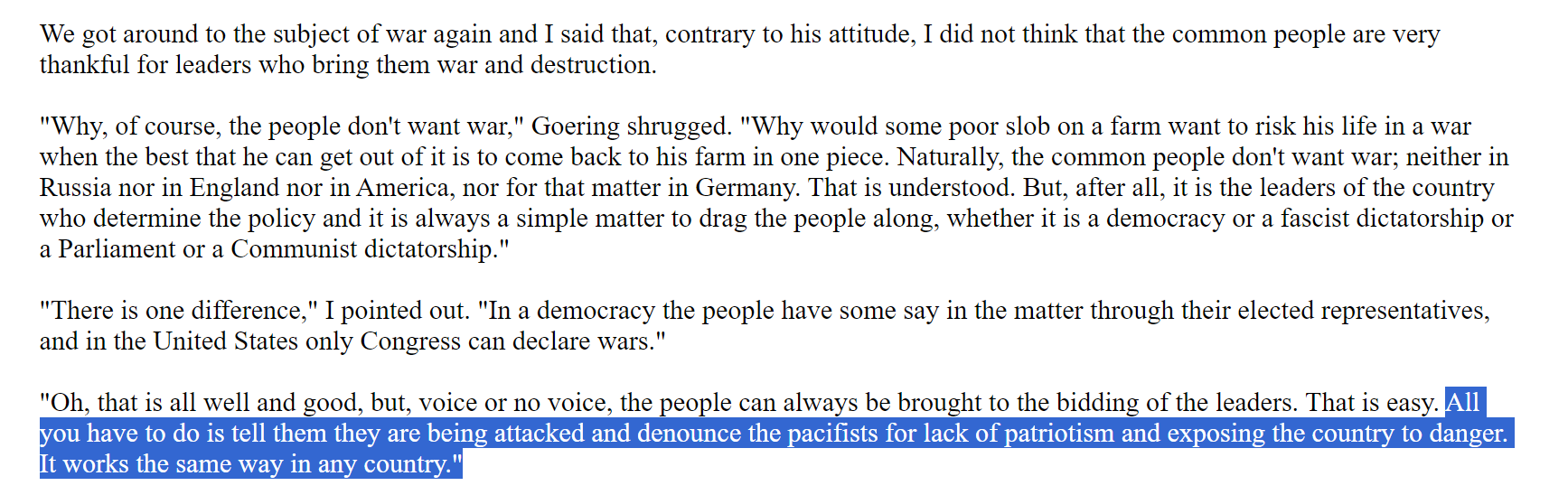
“All you have to do is tell them they are being attacked, and denounce the pacifists for lack of patriotism and exposing the country to danger. It works the same in every country.”
this line which many have sought to claim is inauthentic comes from herman goering, former president of the reichstag, in an interview with gustave gilbert during his war crimes trial in nuremberg.
the full quote is all the more chilling in its entitlement, utter lack of ethics, and seemingly blasé presumption that power justifies power. you just “drag the people along.”
it is an unfortunately old and widespread playbook.
and it does make you wonder about some stuff like this:

i mean, my goodness. another unprecedented crisis!
in an election year no less.
quite the the co-ink-i-dink.
but it sure smells a lot fishier when combined with things like this:
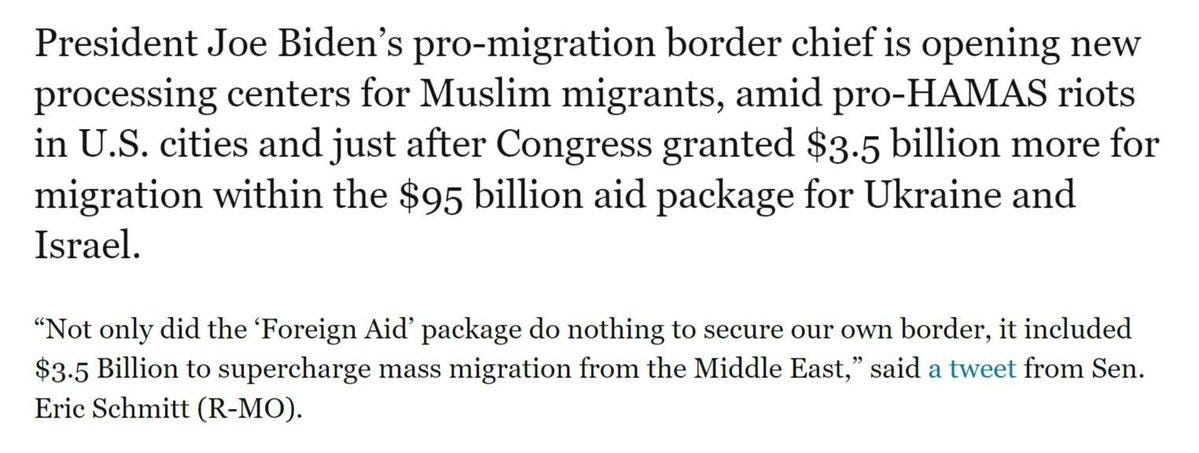
which seems a bit a of a striking choice in the light of such “purported risks.”
we have money to settle the very folks we’re proclaiming a terror threat into our own cities all while funding the other side in the war that’s making them furious, but not to secure the border?
interesting set of priorities.
this starts to smell like the berlin fire department publicly fretting about the reichstag building while the government store down the street is having a 2 for 1 sale on molotov cocktails.

are they, quite literally, importing a threat so that they can menace us with it and use it to generate the fear and hectoring opprobrium of a “crisis” that will allow them to flex their new FISA powers and grab hold of many more besides?
the patriot act gutted US civil liberties and gave this “permanent state” all manner of new and unaccountable power. it was a response to a terror attack.
are they setting up the next one so they can run this playbook again?
because it sure looks like maybe they are.
and suddenly we have violence and violent protest kicking up all over the world, just in time for elections.
again.

is this the new BLM, now global?
will “islamic unrest” be the new covid for massive rights usurpation and global coordination?
the WSJ is finding all manner of left leaning activism underneath these “spontaneous protests.”
The recent anti-Israel protests are often portrayed as a spontaneous uprising of student indignation against the Gaza war. But we’re learning that behind the young idealists is an organized movement of leftists who want to spread disorder and whose candid strategy is to defy school administrators and police to achieve their radical goals.
A window on this movement is CrimethInc.com, a website that has become a hub for anarchists, Antifa activists and radical leftists. In recent weeks it has published anonymous reports from around the country drawing lessons from various campus protests. They reveal the method behind the mayhem—and a plan to use violence and break the law.
if it seems like a playbook, it’s because well, it’s a playbook.
An analysis of the protests at Cal Poly Humboldt says “the pro-Palestinian movement must be a movement against the police.” One lesson from “the George Floyd Uprising” is that “it is best to come to all demonstrations with goggles, gas masks, laser pointers, and shields. You never know what a casual sleepover might become.”
and it’s certainly interesting how easily investigative journalists are uncovering this and the soros links to paying protesters juxtaposed against the seeming inability of federal law enforcement or homeland security to even notice much less act upon such things.
curious, that…
why, it’s almost as if they are looking the other way because this is a useful pretext for them.
and it’s certainly the kind of pretext that could be so used and a way for globalists to demand “global action and damn your liberty, this is war.”
history repeats because humans don’t change.
so here’s some fun history to remember:
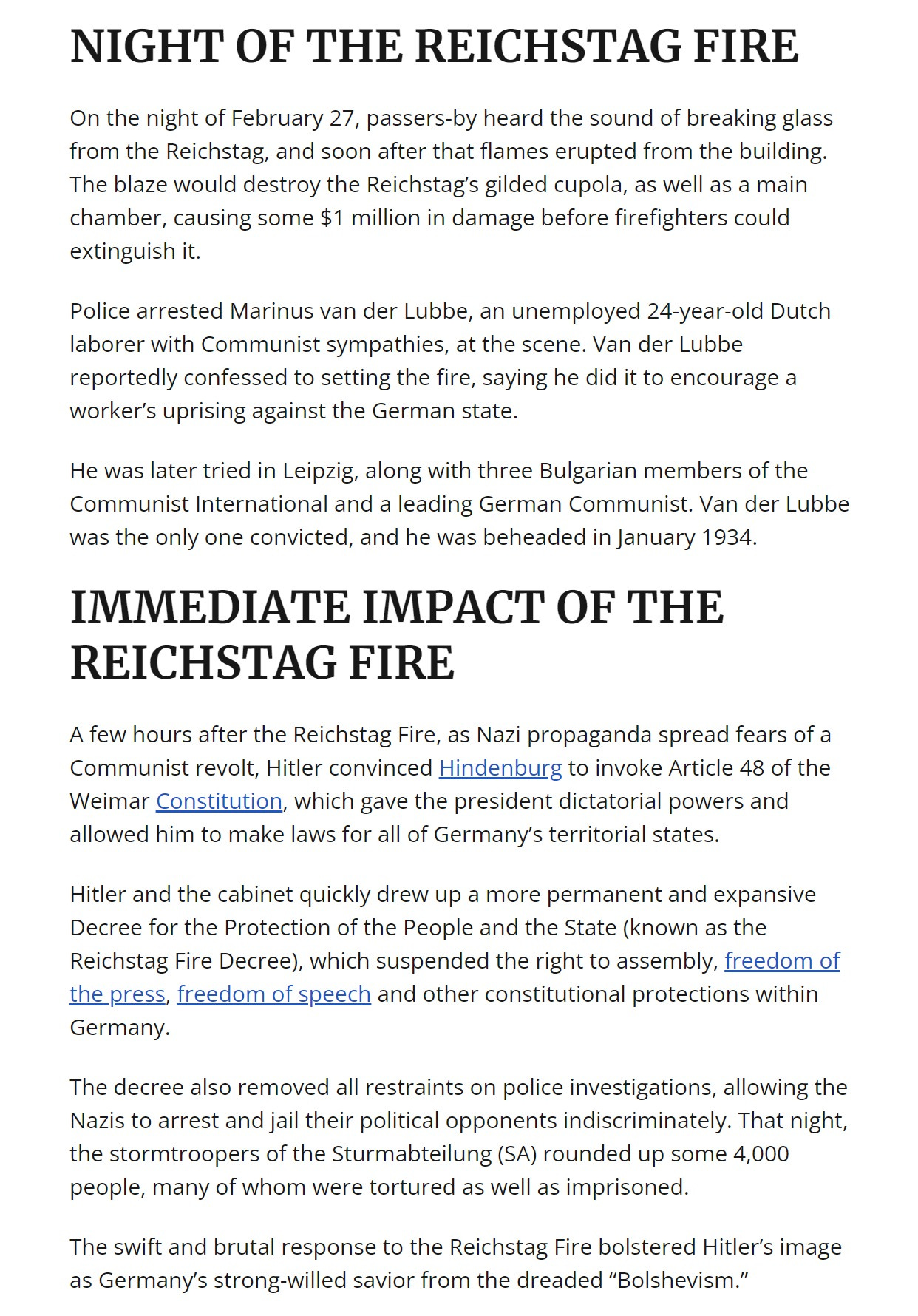
change a few names here and what does this look like?
the US obviously has quite a history of extensive and poorly vetted responses to “islamic terror attacks on american soil.”
so you sow the field with patsies, shake the jar, see who fights, and wait for calamity to occur all while upping the pressure and the discomfort in the meantime.
if you get the conflagration you need, instant pretext. you unify the state behind you with a common enemy.
if you don’t, maybe you give it a little push.
i’m sure you can find some folks.

is this a crazy idea? perhaps. but it’s crazier to still to pretend that governments do not do things like this all the time and would and will not again especially if you have a “deep state” security apparatus with a nasty track record of partisan lawfare used against its opposition and that feels threatened by potential election outcomes and would like to head them off.
something feels off and a lot of folks are starting to notice.
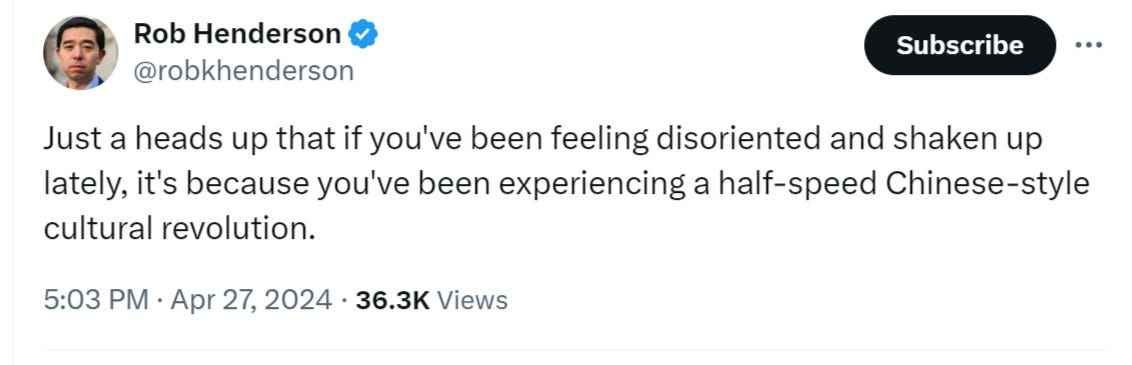
and we have a class of “elites” that find the freedom of we the people to be a bigger threat than anything else.
and they are pretty OK with cheating to keep power.
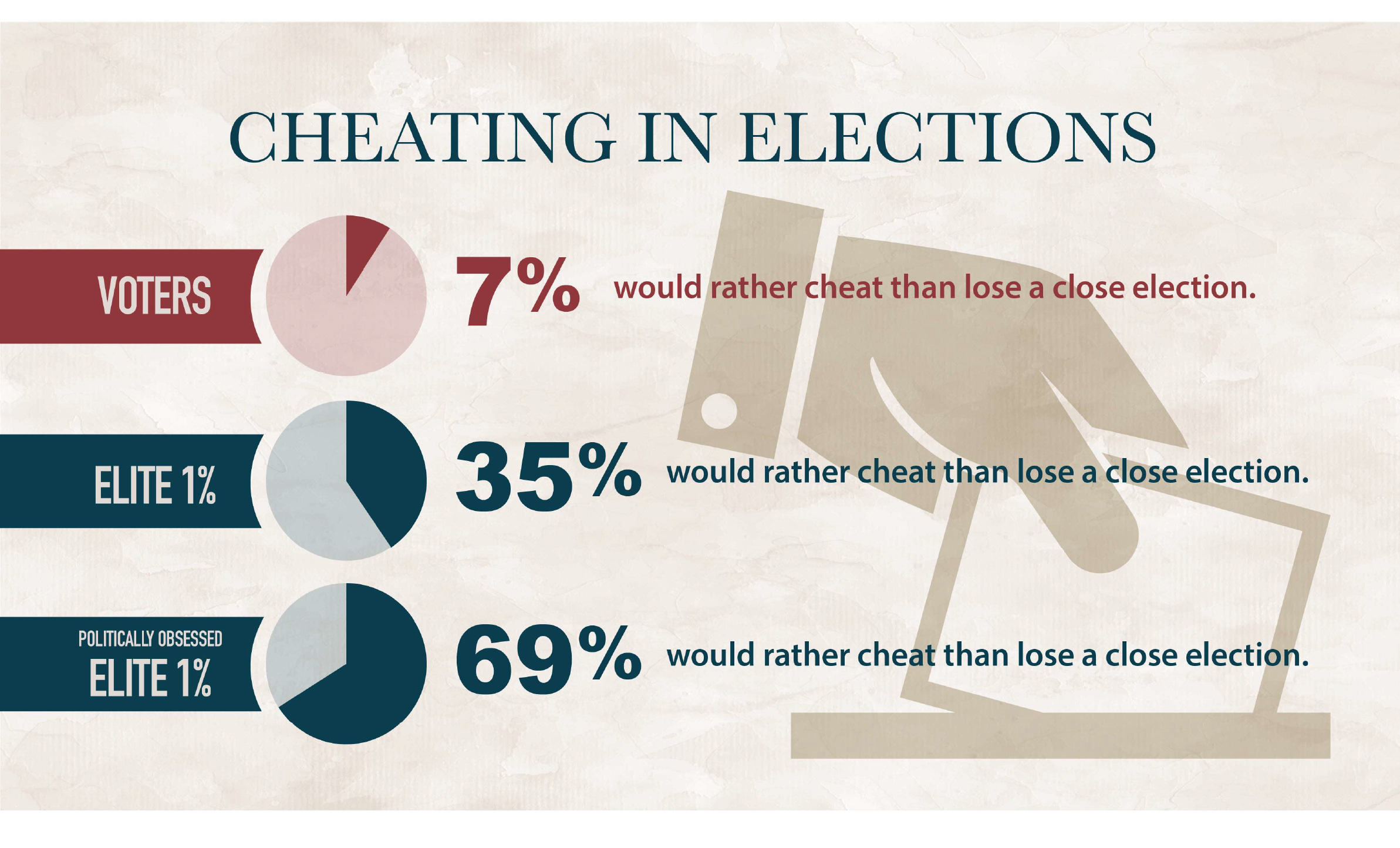
so, yeah, yeah, i know we’re all not supposed to say stuff like this out loud and “oh man, look at the acute tinfoil poisoning” but is that really a helpful or healthy attitude?
is it even a safe one?
is it, perhaps, that the same folks who, every time some old documents declassify, keep getting revealed having done awful things 30 years ago would prefer that we think they’d certainly never be doing such things now? because honestly, on balance that’s the one that

the good news is this:
the internet and increasingly campuses are awash with opposition to and derision of this reichstag kindling. BLM this ain’t. those “mostly peaceful sackings of cities” were untouchable politically and socially. but these are not. because times have changed. the country has had about enough of the drama kids and their confused wannabe disciples running riot while claiming to be the “victims here.”
no one is going to stand by helplessly as “intersectional privilege” is used for another round of “punch no punchbacks.” we are rallying around different protagonists because we’re all talking, laughing and coming to realize that none of this was ever popular, just protected.
absent such misrepresentation through self-censorship and silence, this ball looks like it’s going to bounce a very different way.
let’s see how it goes.
i’m not an especially “rally round the flag” kind of gato and prefer to defend principle, but it’s hard not to smile at the rally around this one.
4 years ago, this was unthinkable.
now i think a lot of people are thinking again…
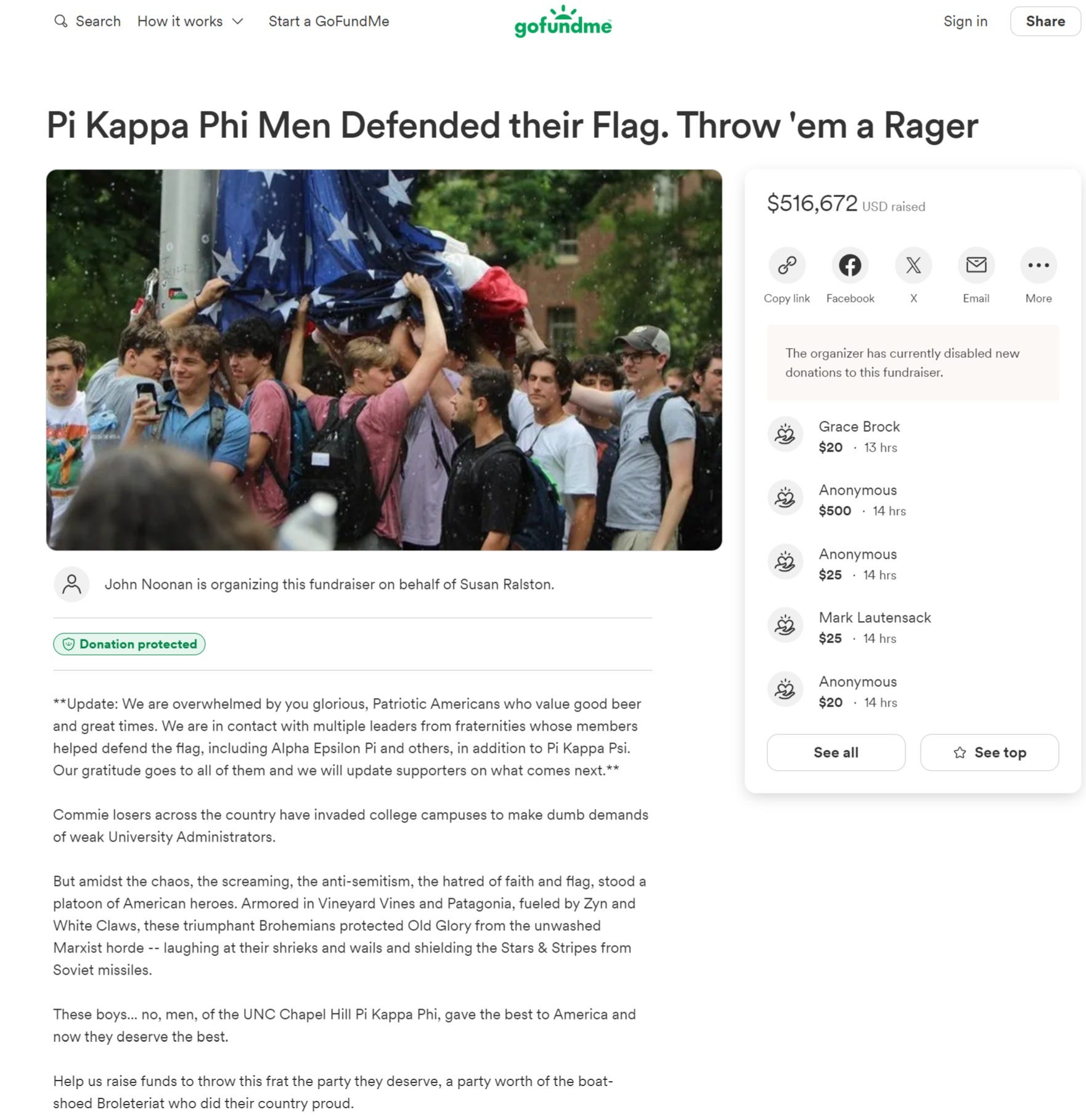
(and i triple dog dare gofundme to try to block this. they would get REKT and probably land in front of congress. again, the times, they are a changin’…)
The applicability - and enduring relevance - of the cynical yet universal insights of Goering, Goebbels and many of that lot remain confounding to me. Strip away the "taboo" of reading the diaries and memoirs of senior Nazis from that period and you open yourself to an array of political and social acuity that everyone should arm themselves with. Goebbels, in particular, provides a master class on modern media manipulation (recall that the man had a PhD).
I wrote an article recently about the founding of the American Medical Association. (Lew Rockwell published it: https://www.lewrockwell.com/2024/05/no_author/to-cure-or-not-to-cure/) and it’s about the fact that medicine is a profession like any other, and there will always be a cohort that, when threatened by (superior) competition, circles the wagons and to hell with the customer.
The limited hangout on institutions is ALWAYS “it got corrupted! Reform!” That’s bullshit, no punches pulled.
Government is the enemy. The founders knew that, but thought it could be useful if constrained, perhaps because they worried what would fill the void otherwise. But they were trying to cage the beast.
Spooner makes the case that, whether by design or deficiency, they failed, and if *they* failed, what they were trying to do simply cannot be done.
We can argue about whether these institutions are necessary, but there should be no argument about whether they are the enemy, always and everywhere, amoral and self-serving at best, eternal mindless golems in perpetual pursuit of perpetuity.